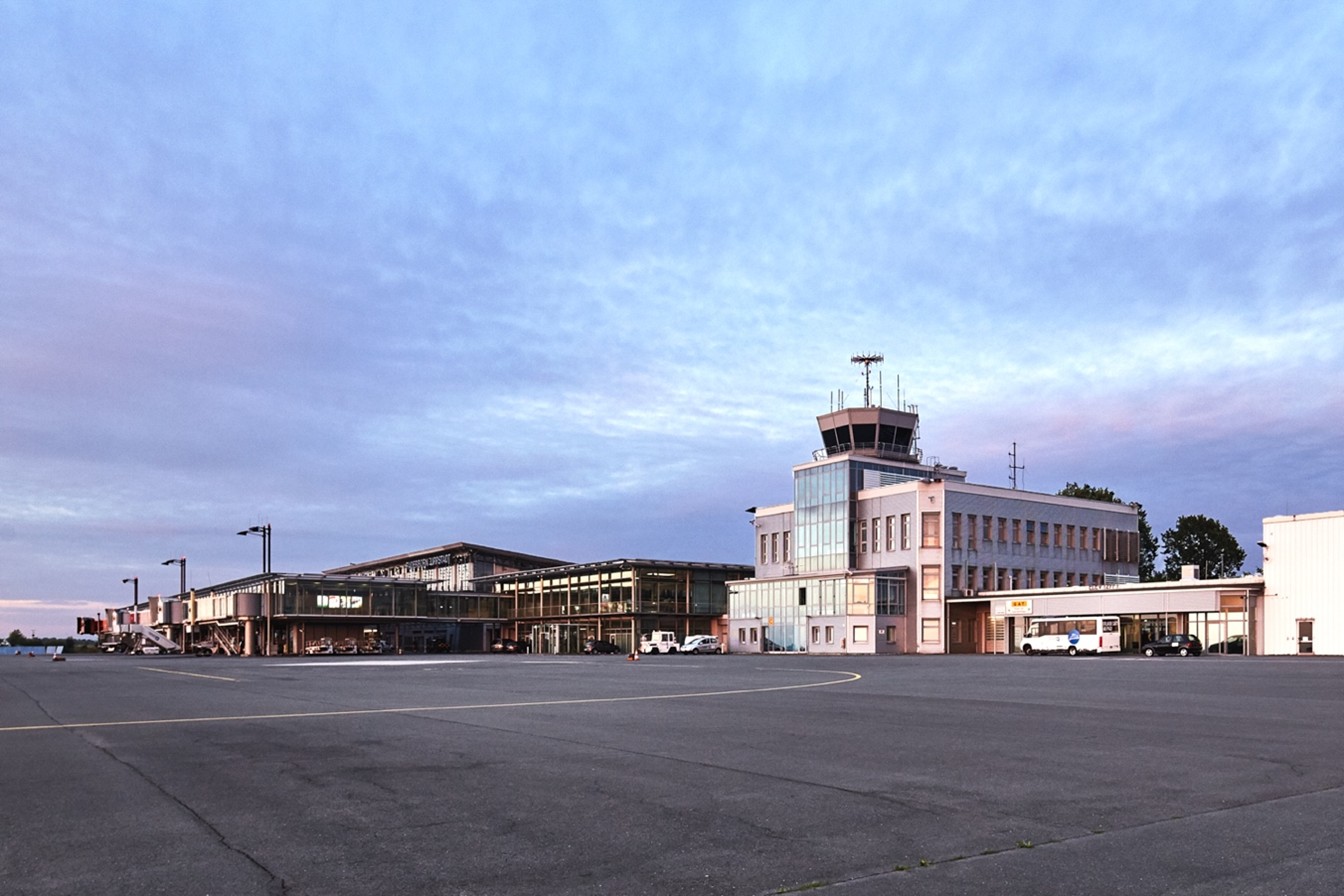
The aviation industry is faced with the task of promoting sustainable mobility and reducing emissions at the same time. Autonomous manoeuvring and driving of aircraft at airports can significantly reduce fuel consumption, CO2 and NOx emissions as well as noise. This innovative approach enables airports and participating organisations to work more efficiently and actively contribute to climate protection.
The AeM Speedport project aims to reorganise the aviation industry in a new and efficient way. The aim is to rethink and optimise conventional processes in order to reduce emissions and conserve resources. The central goal is a new type of "airport ECO system" that fundamentally reorganises all ground handling processes through automation and autonomy. The focus is on testing autonomous and networked vehicles for ground-based transport at airports. Various technical systems are being used that will enable fully automated control of air traffic management in the long term and make processes more efficient, safer and more sustainable.
Our "Behavioral Economic Engineering and Responsible Management" workgroup deals with the topic of technology acceptance at an individual and organisational level. The challenge lies in combining technical developments with human needs. By using qualitative and quantitative research approaches, the requirements of employees such as air traffic controllers and ground handling personnel are recorded.
The central contribution of the specialist group is the development of this comprehensive concept for technology acceptance within the airport organisation. In addition, a qualified interview study is being conducted to record the perspectives of air traffic controllers on the automation process on the airport apron. As part of a behavioural economics experiment in the Paderborn University laboratory(BaER-Lab), behavioural economic aspects in the context of automation and automation at the airport and on the airport apron will be examined in more detail. The aim is to uncover possible behavioural biases of people in dealing with automation and automation in a professional context and to shed more light on them.
The findings serve as a basis for evaluating technology acceptance in the context of on-site tests and simulations and for making recommendations for practical action.
You can find out more about the project here.